
If you’ve ever been stuck thinking about the meaning of carpet terms, then don’t worry! We’re here to guide you through any and every carpet term you might need.
The fabric and yarns that make up the side of the carpet that lays next to the floor. In tufted carpets there are two types of backing. Primary backing – A woven or nonwoven fabric through which the yarn is inserted by the tufting needles and Secondary backing – Fabric that is laminated to the back of the carpet to reinforce it. You’ll see these carpet terms in our product specification which type of backing we use.
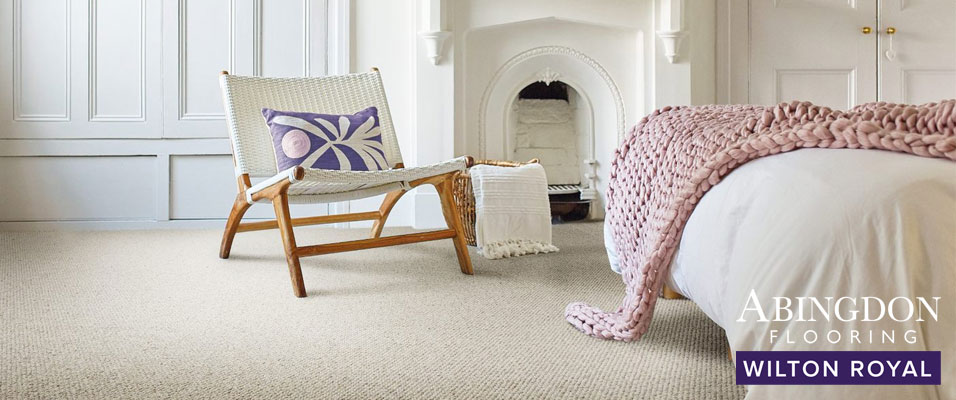
Berber is a term that describes the flecked effect and refers to carpet that’s overall light in colour with flecks of darker colours (usually brown or grey) The name Berber originates from the Berber people in North Africa and the Sahara who used this process when making rugs and carpets.

Charter Berber Deluxe is an example of how we use the Berber style in wool. Its rustic qualities reflect in the natural colours, from beautiful, muted greys to the flashier, statement reds.
We also incorporate a Berber style in many of our carpets including our innovative and award-winning Wild Silk which uses a “dirt defying” speckled colour to create a one-of-a kind, unique, stylish look. It will have no problem standing up to the rigours of daily life whilst looking fabulous for years.

Referred to as whipping, the carpet is cut and bound by stitching around the edges. This carpet term is usually used with samples, and shows a trimmed, cleaned up example of a certain carpet.
In carpet terms, ‘Crushing’ refers to the collapsing of pile yarns, resulting in carpet matting and loss of resilience.
This form of carpet failure usually occurs in the areas of heaviest traffic. It is also called “matting” and “walking out”. It can be minimised by the use of more resilient fibres, denser construction, somewhat higher weight and (in cut pile) with higher tuft twist and proper heat setting.
All our carpets go through a rigorous testing procedure whilst in development; That’s why we can confidently offer 10, 12 and 15 year warranties on our products.
The density of a carpet refers to how closely the fibres are woven together. Carpets with high density ratings are generally more durable and resilient.
The carpet term ‘fibre’ refers to the fundamental unit of carpet. Carpet fibres are made from many types of material. Our carpets are manufactured in the U.K using polyester, polypropylene, wool, or even recycled material.
Gauge is how far apart the yarns are in the carpet across the width. For example 1⁄8 gauge has 8 pile ends per inch. It also helps to refer to this term as the number of needles per inch across the width of a carpet tufting machine.
Much like in school, in carpet terms an assessment that is given to a carpet following testing, to indicate its suitability for a particular location; e.g. Grade – Heavy Domestic/General Contract use.
A loop pile is a tufted or woven carpet pile surface where the face yarns comprise of uncut loops. Loop pile carpets are cut at different levels, including flat or level, textured or multilevel.

Lustre is the term for the brightness or reflectivity of fibres, yarns, carpets or fabrics. Synthetic fibres are produced in various lustre classifications including bright, semi-bright, semi-dull and mid-dull.
The lustre of finished carpet could also be influenced by yarn heat setting methods, dyeing and finishing.
In high-traffic commercial areas, duller carpet yarns are often preferred for soil-hiding ability, whereas in places like bedrooms or living rooms, a more luxurious, brighter lustre is favoured.
‘Meltbond’ is the word for a process designed to improve the performance of twist pile carpets and reduce shedding. A bonding fibre is added to the fibre blend. This melts during subsequent heat treatment, forming a reinforcing lattice within the yarn structure.
The pile is the upright ends of cut or loop yarn that form the surface of the carpet. These can be cut at different heights to give texture and feel to the carpet.
Saxony carpets are a luxurious deep pile which feels beautiful underfoot and is perfect for bedrooms. It is made of twisted carpet fibres that stand straight with a cut loop pile. Outside of carpet terms, you would describe the pile as dense in order to create a soft flooring that provides limitless comfort.
You will find straight Saxony carpet feels similar to velvet, because the fibres each sit in the same direction. When brushed in another way, they create a velvet-like shimmer. You can also opt for a textured Saxony carpet which is not as soft as the straight style, however, it reflects light differently and you won’t see footprints or marks from your vacuum cleaner as much.

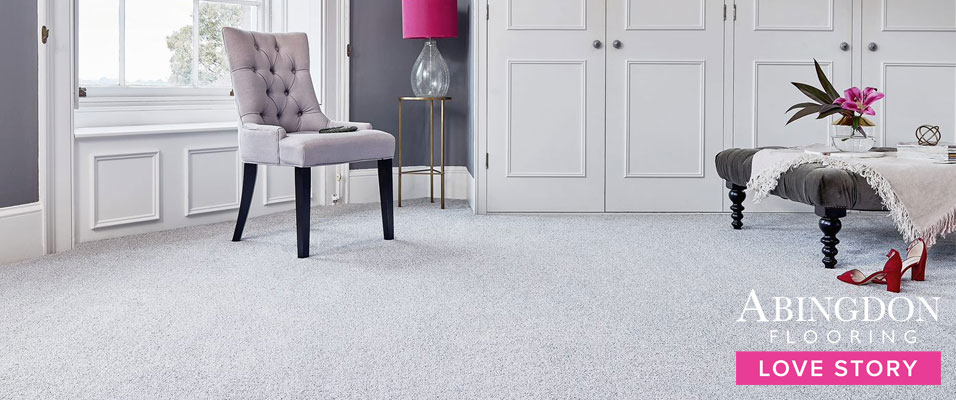
Check out Deep Feelings from our Lovestory collection, made from 100% polyester yarn. With an impressively thick pile, it’s one of the softest, most sumptuous you’ll find in our portfolio!
Carpets and underlays can resist the transfer of heat to a lesser or greater degree and this “thermal resistance value” can be measured as a “tog” value. This is an important consideration when fitting carpet onto underfloor heating systems.
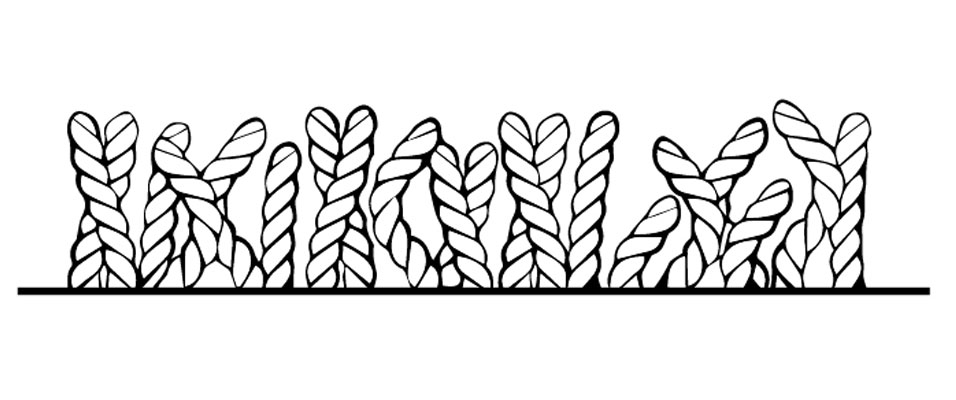
When selecting a carpet it is important to look for a tight twist in each yarn, This type of carpet is one of the most popular options. It is ideal for those looking for comfort and durability.
In carpet terms, it is known as a twist pile due to the twisted fibres of carpet yarn which create a surface that’s hardwearing, yet has an attractive appearance, because it incorporates a combination of different shades for a multi-tonal effect (also great for making any stains look less obvious!). If you have a hectic family life and your floors receive a lot of traffic, then a twist carpet is an excellent option.
Sister ranges Finesse and Caress with their 10th gauge twist pile are perfect for busy areas. For extra luxury choose Caress which is heavier in weight and higher in pile height, to add a sense of style and luxurious ambience to your home with all the features and benefits of a hard-wearing durable carpet.
A carpet’s weight is measured in ounces per square yard. So, in carpet terms, the face weight of a carpet is just the weight of its fibres. The total weight includes the weight of its backing and latex as well. Carpets with especially high face weights are typically good-quality carpets.